How to Write a Catering Invoice
This catering invoice guide explains how to price per guest, split staffing and rentals, and set clear event payment terms. Use it to send invoices clients can review quickly without back-and-forth.
Generate a Catering Invoice
Create a polished catering invoice in minutes, then tailor it for guest count changes, deposits, and event add-ons.
How to Create a Catering Invoice
To create a catering invoice, start with your business and client details, add the specific services or products you delivered, then finish with totals, payment terms, and a due date. This structure works well for caterers, event teams, and food service businesses.
1. Add the basics
Include your business name, contact information, invoice number, invoice date, due date, and the client or property details tied to the work.
2. Itemize the work clearly
- Menu packages, guest count pricing, and staffing charges
- Rentals, delivery, setup, and event service fees
- Deposits, gratuity, service charges, and remaining balance due
3. Show totals and payment terms
List subtotals, taxes, deposits, credits, or adjustments separately, then add the total due, accepted payment methods, and any late-fee language you use.
Need the general invoice workflow too?
Read the full guide on how to create invoices, then use the generator to build a catering invoice faster.
Step-by-Step Catering Invoice Guide
Capture event scope and headcount
Start with event date, venue, service window, and guaranteed guest count.
List menu pricing clearly
Break out per-person menus, stations, beverage packages, and dietary surcharges.
Separate labor and rentals
Show chefs, servers, bartenders, and each rental item on separate lines.
Document deposits and prior payments
Subtract retainer amounts already paid so the balance due is obvious.
Add taxes, gratuity, and service fees
Label each fee type so clients understand what is taxable and what is not.
Set due date tied to event timing
Use due dates that match your policy for pre-event final payment.
Banquet Billing Terminology Clients Understand
Write line items in client language: plated service, buffet stations, passed hors d'oeuvres, and late-night snack activation. Avoid vague kitchen-only shorthand that planners cannot map to contracts.
For large functions, include production milestones such as tasting, prep day labor, cold-chain transport, and on-site strike. These phrases reduce disputes when venue access windows change.
Event-Specific Data To Capture Before You Bill
- Guaranteed minimum headcount versus final attendance variance
- Service style: plated, buffet, family-style, or chef-attended stations
- Chafing fuel, cambro transport, and hot-box usage charges
- Bartender staffing ratio and bar-back support hours
- Linen grade, china package, and stemware replacement policy
- Union labor surcharges for convention center load-in windows
- Venue dock scheduling penalties and overtime thresholds
- Cake-cutting, corkage, and dessert plating service charges
Catering Invoice Tips
- Set a final headcount deadline and reference it on the invoice.
- Use separate line items for food, labor, rentals, and bar service.
- Include cancellation terms and overtime rates in notes.
Common Catering Invoice Mistakes
- Bundling staffing into food totals with no transparency.
- Missing overtime or extended service-hour charges.
- No reference to deposit terms or refund policy.
Catering Billing FAQ
How should I handle fluctuating guest counts?
Invoice the guaranteed minimum and add an overage line if attendance exceeded the contracted threshold.
Where do tasting fees belong?
Show tasting fees as a separate pre-production line, then note if credited against the final balance.
Should gratuity be taxable?
Depends on jurisdiction and fee type; separate gratuity from taxable service charges so totals remain auditable.
How do I bill venue-required labor?
List mandatory venue labor as pass-through cost with shift start/end times and rate basis.
Invoice On the Go
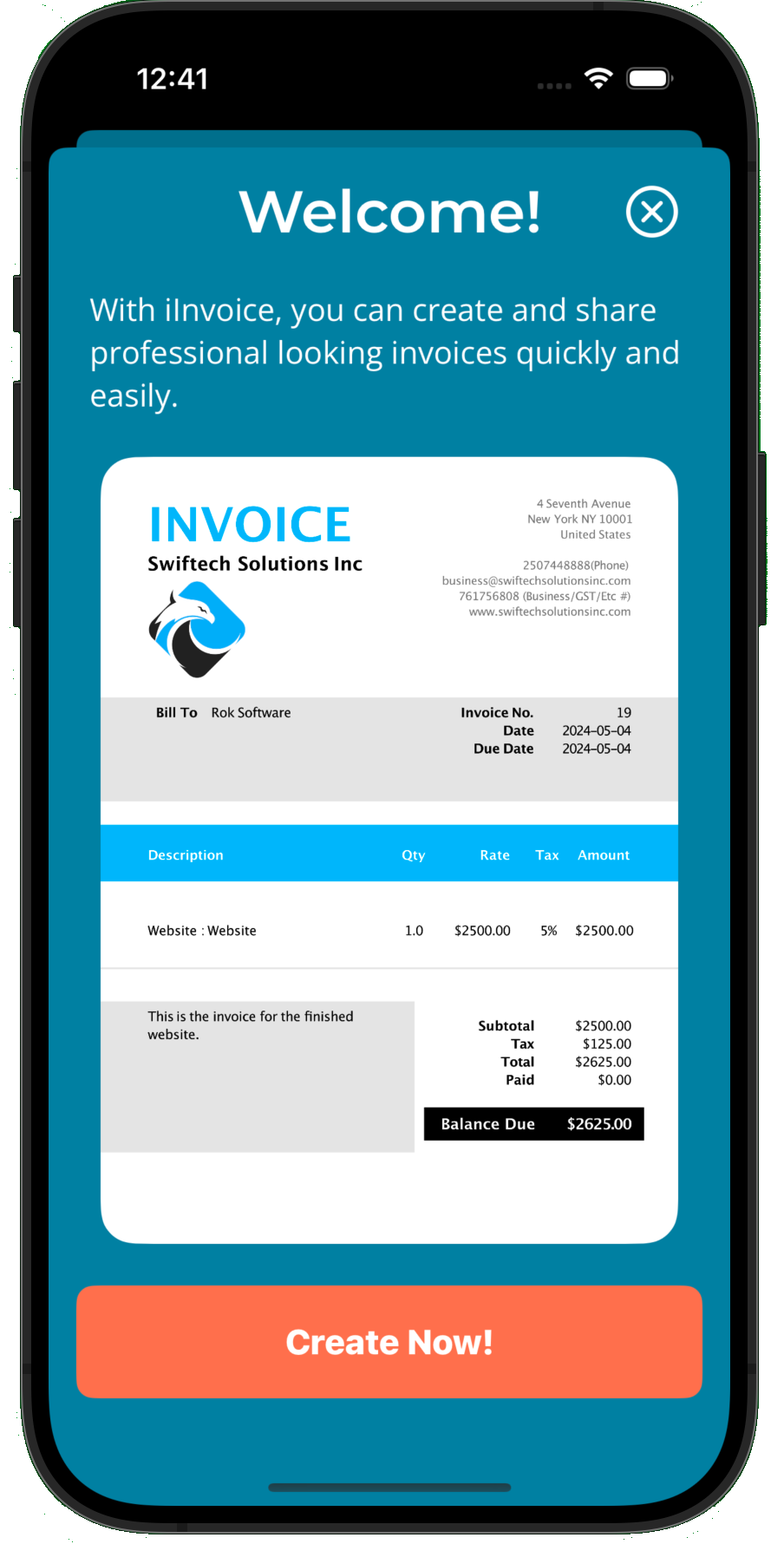
The iInvoice mobile app helps businesses create and send invoices from anywhere in minutes.